

Learn Italian and Work in Florence
For many international students, coming to Italy is not only about learning the language, but also about building a new path for the future. A study semester in Florence offers the opportunity to learn Italian up to B2 level while also exploring part-time work opportunities of up to 20 hours per week, creating an immersive experience that goes far beyond the classroom. The program lasts 27 weeks – including any school closure periods – and enrollment is open all year round, so you can start at any time.
This program can represent an interesting opportunity for non-EU students. Provided that specific requirements are met and the relevant administrative procedures are followed, support can be offered in converting a study residence permit into a residence permit for work – an option that can open up long-term prospects for those who wish to continue living in Italy after completing their language course.
Why Work in Italy?
Italy is facing skills shortages in several sectors, creating real opportunities for young international talent:
At the same time, living in Italy means benefiting from an affordable national healthcare system, a safe environment, and a quality of life that continues to attract students from around the world.
Italy’s labor market is regulated through sector-based collective agreements that define minimum salaries, working hours, paid leave, and employee protections. This system offers clarity and stability, and salaries in seasonal and service jobs are contractually established and paid directly by employers rather than relying on tips.
→ Discover more about the Italian work system
For students and young professionals who want to learn Italian, gain work experience, and build a future in Italy, Florence represents a practical and inspiring place to begin.
What We Offer
Included in the Program Fee
Extra Fee
Not Included in the Program
Administrative Requirements
Before starting the application process, we recommend checking directly with the relevant Italian Consulate General or Embassy for the most up-to-date information on entry procedures, visa requirements, and supporting documents. Requirements may vary depending on your nationality and personal situation, so the information below should be considered as general guidance only.
Requirements for EU Citizens
If you are a citizen of the European Union and you want to come to Italy to study, you can enter Italy with a passport or with a national ID valid for travel abroad, without requiring a visa.
However, if your stay exceeds 3 months (90 days), you must register your temporary residence at the Registry Office (Ufficio Anagrafe) of the municipality where you live.
For this registration, you usually need:
- A valid identity document (passport or ID)
- A certificate of enrollment in the course (proof that you are attending a language course)
- The European Health Insurance Card (EHIC) or other health insurance coverage
- Proof of sufficient financial resources for your stay (usually a self-declaration)
Study Visa Requirements for Non-EU Citizens
Language Requirements
While Italian law does not formally require an A2 level, many institutions request proof of basic language knowledge. A school-issued certificate is usually sufficient, but requirements may vary by General Consulate or Embassy.
We can offer online preparation paths for those starting to study Italian at the beginner level.
Financial Means
Applicants must be enrolled in an accredited course in Italy and must have paid the full tuition fees for the entire period covered by the visa, while also providing proof of sufficient financial means to support themselves during their stay.
Accommodation Requirement
You must provide proof of suitable accommodation in Italy. Accepted documents include:
- A registered lease agreement
- A reservation covering at least the first 30 days
- A Declaration of Hospitality signed by an Italian citizen or a legal resident
Health Insurance
Health insurance coverage is mandatory and must include urgent medical care and hospitalization.
The policy must:
- Have a minimum coverage of €30,000
- Be valid for the entire duration of your stay
- Include repatriation coverage
Many students choose private international insurance or commit to enrolling in the Italian National Health Service (SSN) upon arrival.
Passport & Return Trip
- Passport: Must be valid for at least three months beyond the visa expiration date
- Return trip: Proof of a confirmed return ticket or financial means to purchase one is required
Program Timeline (for Non-EU Residents)
Step 1
6+ Months Before Arrival
(if starting with no language knowledge)
- Assess your Italian level
- Complete online preparation until reaching A2 (if required by your local Italian Embassy or General Consulate)
- Receive a language certification issued by our school
Step 2
4–6 Months Before Arrival
- Submit your enrollment request to us
- Pay the program fee (required for visa application)
- Start searching for accommodation in Florence for at least 30 days (required for visa application). We can provide support and guidance.
- Arrange health insurance (if required by your visa application)
- Apply for your student visa (processing times and approval depend on your local Italian Embassy or General Consulate)
Step 3
Month 0 – Arrival in Florence
- Begin your Italian course
- Apply for your residence permit (permesso di soggiorno) within 8 days of arrival
- Start exploring part-time job opportunities
Step 4
Months 1–3 of the Program
- Study 20 classes per week
- Improve your Italian toward B1
- Begin or secure part-time employment (most students start between the first and third month)
- Take part in monthly career-focused events (networking sessions, recruiter meetings, industry talks)
Step 5
Months 4–6 of the Program
- Reach B2 level
- Strengthen your professional Italian
- Evaluate full-time job opportunities
- Prepare documentation for possible visa conversion
- Take part in monthly career-focused events (networking sessions, recruiter meetings, industry talks)
- Apply for a conversion to a residence permit for work (see requirements below)
How to convert a Student Residence Permit into a Work Residence Permit
Once you are studying Italian in Italy with a valid residence permit for study (and perhaps working already part-time), you can apply for a conversion to a work residence permit.
You will need either:
- to have received a full-time job offer and can therefore apply for a permit for employed work (permesso di soggiorno per lavoro subordinato)
- to meet the requirements for self-employment or entrepreneurship, allowing you to apply for a residence permit for self-employed work (permesso di soggiorno per lavoro autonomo)
What if I didn’t receive a job offer?
If you hold an official Italian qualification, you may:
- Register as unemployed, and/or
- Apply for a residence permit for job-seeking or entrepreneurial activities
This permit can be issued for up to 12 months after graduation.
You may apply if you have obtained one of the following qualifications in Italy:
- Bachelor’s degree (laurea)
- Master’s degree (laurea magistrale)
- Ph.D. (dottorato di ricerca)
- First- or second-level university Master’s
- First- or second-level AFAM academic diploma
- Higher Technical Institute (ITS) diploma
Please note: the job-seeking permit is available only to holders of one of the Italian qualifications listed above. Students attending a language course can convert their permit through a full-time job offer or by meeting the requirements for self-employment.
How Can I Apply?
- Create an account on the online platform of the Italian Ministry of the Interior
- Complete and submit the application
- Bring the original documentation to the Immigration Office (Sportello Unico per l’Immigrazione) at the Prefecture where you reside
- Sign the stay agreement (contratto di soggiorno)
- Receive the forms required for the residence permit
- File the request for the new residence permit at a post office
- Attend a scheduled appointment at the local Questura to provide biometric data (fingerprints)
- Pick up your new residence permit
When to Apply?
The request must be filed before the expiration date of your study residence permit. It is recommended to submit the application for conversion within the 60 days preceding the expiration of the currently valid residence permit.
Why Choose Europass
About the School & Florence
You can find us in the heart of Florence at Palazzo Galletti, a beautiful neoclassical building. We are also an official examination center for the CILS and CELI certifications, with exam sessions held on-site throughout the year.
In a city like Florence, students can experience everyday life in Italy while improving their Italian in real-world contexts. The city’s steady seasonal demand in hospitality makes it an ideal place to combine an Italian course in Italy with early work experience, especially while language skills are still developing.
Our Teachers
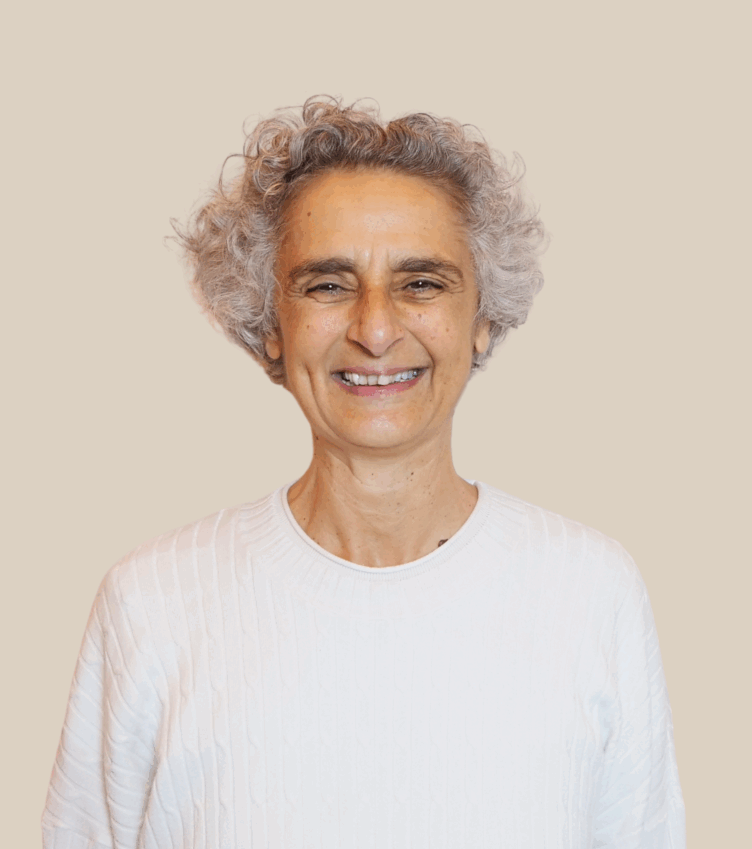
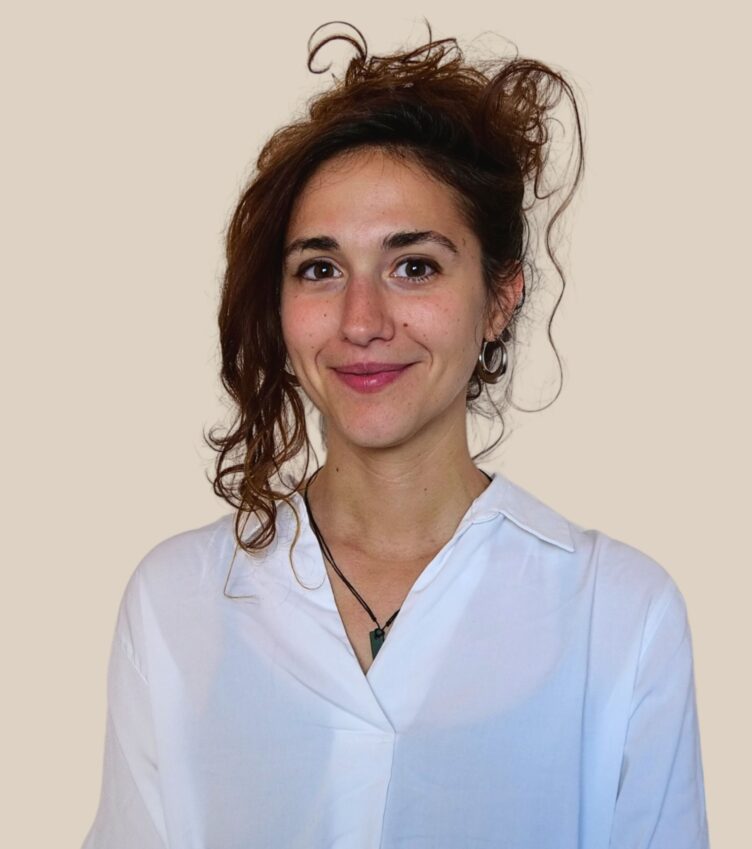
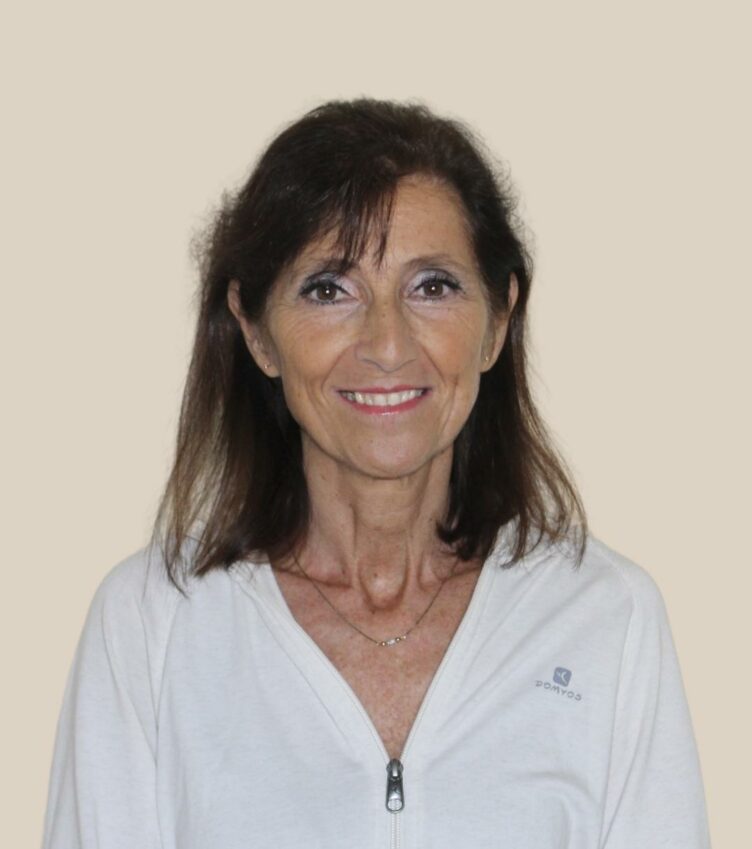
Our teachers are the best in the field: highly qualified professionals with master’s degrees and the DITALS certification, teaching Italian to international students all year round.




















FAQs
Will you support me with visa documents?
Yes, we provide assistance with the documentation required for your student visa (Type D) and your residence permit once you arrive in Italy. In the unlikely event that your visa application is refused, we will refund your program fee minus a €150 administrative fee.Can I work while studying in Italy?
Yes, international students are allowed to work up to 20 hours per week during their studies.How does paid leave work in Italy?
In Italy, workers receive at least 4 weeks of paid annual leave by law, plus paid public holidays that don’t reduce their vacation days. New mothers get 5 months of maternity leave, and parents can access extended, partially paid parental leave. Italy stands out not only for strong protections for workers and families, but also for one of the most comprehensive systems of paid time off in Europe.Will I receive support in finding a job?
We are not a recruitment agency and we cannot guarantee employment – finding a job remains up to you. What we provide are the tools and opportunities to maximize your chances: personalized support to create a strong CV, guidance on the best job search platforms, and connections with recruiters through meetings and networking sessions.What does the course fee include?
Our program fees cover Italian language preparation, administrative, and guidance for job applications. Accommodation and living costs are not included, but we can help you find suitable housing.Where will I live during the program?
We can assist you in finding accommodation in Florence, ranging from shared apartments to private options.Is Italy a safe country?
Yes. Italy is consistently ranked among the safest countries in the world, with low crime rates and a welcoming environment for international students.Ready to take the next step?
If you have questions about when to start, the visa process, or anything else, book a free 20-minute call with our team: